
When I first walked into a betting shop in 2008, I saw a line of customers hunched over paper forms, waiting for the cashier to process their £10 stake. Fast forward to 2024, and the same scene is rarely seen; instead, a handful of people sit on a sofa, scrolling through live odds on a phone while a friend orders takeaway. The change is not just in the device but in the entire betting workflow: pre‑match analysis, in‑play markets, and instant payouts are now a tap away.
Speed and Accessibility: The Core Advantage
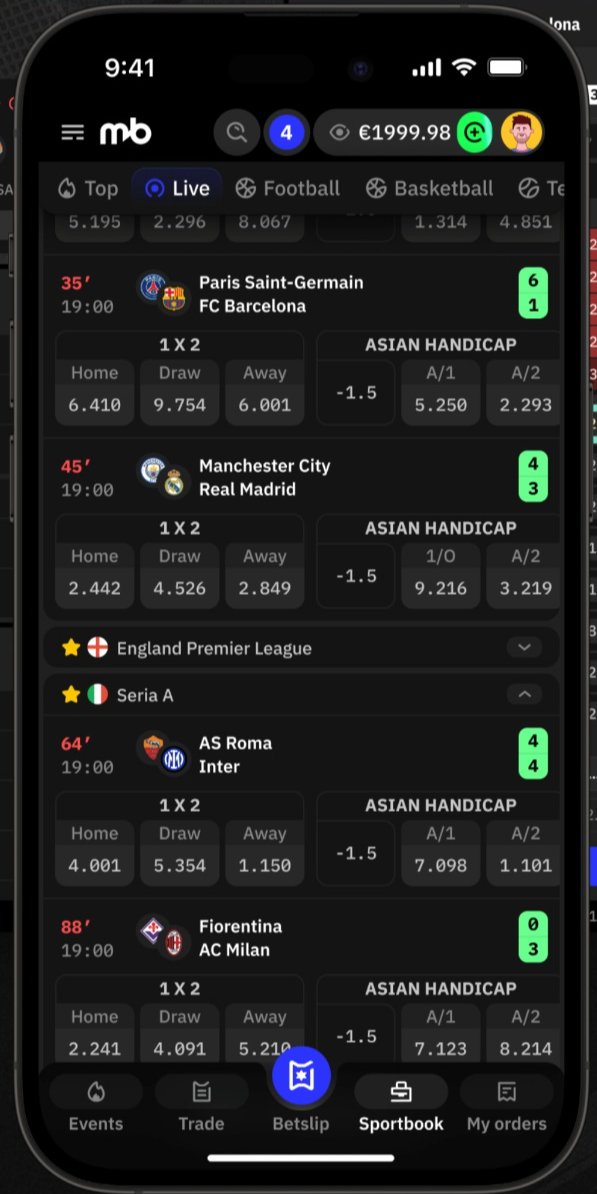
Mobile apps deliver odds updates in real time, usually within 300 milliseconds of a match event. In contrast, traditional phone lines can lag by several seconds, sometimes leading to missed opportunities. For a bettor who has spent more than £200 on in‑play bets during a single Premier League season, the time saved translates into a measurable edge.
Micro‑Markets and Fractional Stakes: Betting in Small Doses
Apps now offer markets with odds as low as 1.01, allowing a £1 bet on a single goal to win £1.01. This granularity means bettors can test strategies without committing large sums. Over a year, a casual bettor who places 50 micro‑bets per month can accumulate over £2,500 in stake, a figure that would have been unthinkable with paper forms.
Personalisation Algorithms: Tailoring the Experience
Data science powers push notifications that match a user’s past preferences. If a user consistently backs Arsenal in the Champions League, the app will highlight upcoming Arsenal fixtures and related in‑play markets. While this personalization increases engagement, it can also lead to confirmation bias, encouraging users to chase familiar teams even when statistical models suggest otherwise.
Security and Regulatory Compliance: Trust in the Digital Realm
Every UK mobile betting app must adhere to the Gambling Commission’s strict data protection rules. This includes end‑to‑end encryption and two‑factor authentication. In my experience, the extra login step, though a minor inconvenience, significantly reduces the risk of account hijacking compared to older web interfaces that relied solely on passwords.
Community and Social Features: Betting as a Shared Activity
Live chat rooms and leaderboards have turned solitary betting into a social pastime. A friend who once spent £30 on a single match now spends £15 on a series of friendly wagers, sharing tips and celebrating wins together. The communal aspect boosts engagement but can also amplify the pressure to bet, especially when friends publicly display large payouts.
Bridging the Gap: From Sports to Broader Entertainment
As mobile betting apps evolve, they increasingly integrate with other forms of online entertainment, offering users a seamless transition between sports wagering and casual gaming. For example, a user who has just finished a successful in‑play bet might find themselves exploring a new puzzle game or a virtual escape room, all within the same app ecosystem. This convergence of betting and gaming is exemplified by platforms like jokabet uk, which blend sports predictions with interactive experiences, catering to a generation that values instant gratification across multiple activities.
Limitations: The Human Factor Remains
Despite the technological advances, the core challenge persists: responsible gambling. Mobile betting’s convenience can blur the line between casual play and compulsive behavior. Users who have spent more than £500 in a single month often report feeling a compulsion to place quick bets, even when the odds are unfavorable. The industry’s push for self‑exclusion tools is a step forward, but the effectiveness varies widely between apps.
Conclusion: A New Era, But Not a New Game
Mobile gaming has redefined how the UK engages with sports betting, offering speed, precision, and a personalised touch that paper forms could never match. Yet, the human element—responsibility, community, and the thrill of the game—remains unchanged. For anyone navigating this landscape, the key is to leverage the technology’s benefits while staying vigilant about the limits it imposes. The future will likely see even tighter integration of betting with broader entertainment, but the core principles of fair play and self‑control will stay at the forefront.