
Find the Cheapest eSIM Plans for Travel Without Sacrificing Speed
Tired of paying outrageous roaming fees every time you land somewhere new? A cheap eSIM lets you skip the physical SIM hunt and score a local data plan in minutes, often for a fraction of the cost. You simply scan a QR code, pick a budget-friendly data pack, and you’re instantly connected with solid coverage. It’s the easiest way to keep your phone working abroad without burning a hole in your wallet.

What Actually Makes an eSIM Plan Affordable Without Sacrificing Coverage
The real trick to a **cheap eSIM** isn’t the price tag alone, but how the plan layers data onto the networks you actually hit. I learned this crossing three borders in one week—my budget plan routed me through a local carrier’s towers in each country, not a global roaming hub, so the signal held in rural train stations while my friend’s “ultra-cheap” card dropped to one bar. What makes a plan affordable without sacrificing coverage is the **regional data pooling**—buying a bundle that spans a continent, not a single nation, cuts cost per gigabyte because you’re sharing one bucket across adjacent towers. Also, look for plans that let you top up only when you need it, rather than forcing a 30-day cycle. That way, you pay for the days you roam, but the underlying network prioritizes the strongest local partner, keeping your connection solid without the markup.

Why the Lowest Price Per Gigabyte Isn’t Always the Cheapest Option
The lowest price per gigabyte often masks a higher real-world cost because plans with rock-bottom per-GB rates typically enforce large, non-refundable data bundles. If your trip uses only 3 GB of a 20 GB package, you effectively paid the full price for unused capacity, making the effective cost per consumed gigabyte far steeper than the advertised figure. Furthermore, cheap eSIM data value depends on expiry alignment, since these bargain plans frequently have very short validity windows, forcing you to top up at premium rates for a second week. Compare total plan price against your actual usage, not just the headline per-GB figure, because wasted data is never cheap.

- A 1 GB plan at $2 may beat a 10 GB plan at $15 if you only need 1.5 GB.
- Short validity periods can force a second purchase, doubling your total spend.
- Unused data cannot be refunded or rolled over, so oversized bundles are pure loss.
- Coverage gaps in low-cost plans may push you to buy a supplemental local SIM, adding to the total.
Hidden Fees and Fair-Use Policies That Can Inflate Your Final Bill
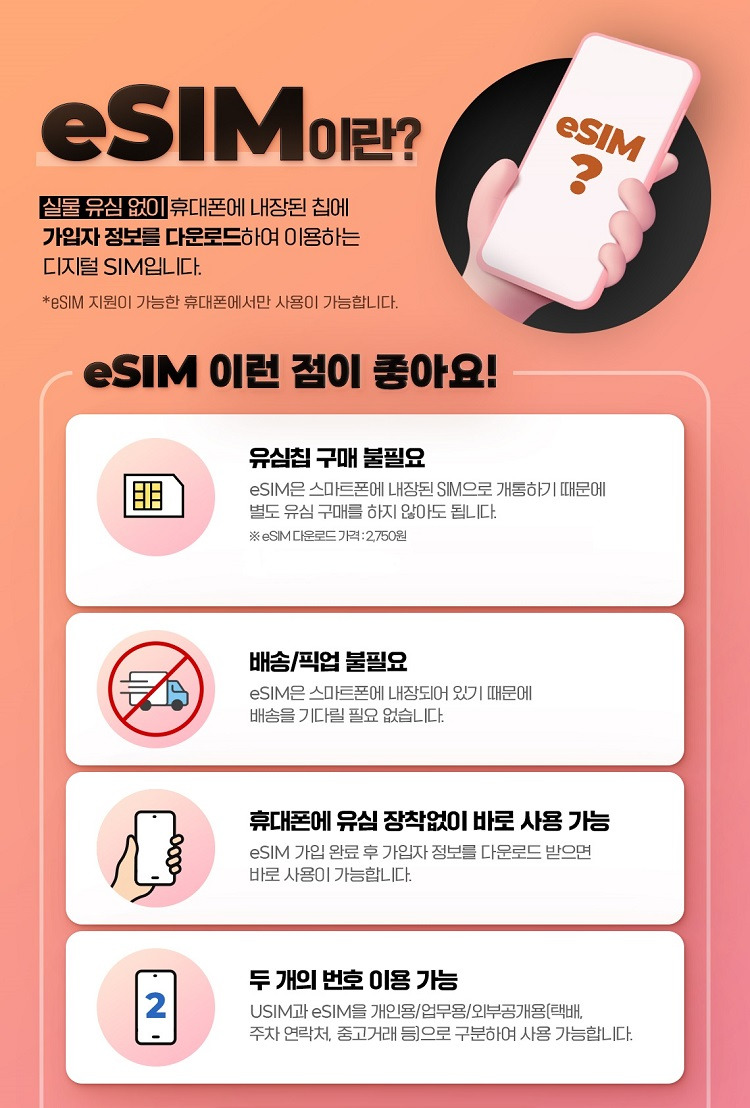
The sticker price on a cheap eSIM rarely tells the full story, as fair-use policy traps and hidden fees often ambush travelers after activation. A plan advertised at $10 might include a “top-up required” clause when your high-speed data hits 500MB, forcing an automatic purchase at premium rates. Others sneak in connection fees per country switch or charge for customer support chats, while fair-use thresholds can throttle your speed to 128kbps—making maps and navigation useless—unless you pay to reset the cycle. Before buying, hunt for asterisks about “unlimited” data caps and billing surprises.
Always read the fine print: fair-use limits and undisclosed connection fees are the real cost drivers behind cheap eSIM plans.
How to Compare Budget-Friendly eSIM Deals Like a Seasoned Traveler
To compare budget-friendly eSIM deals like a pro, start by calculating the **cost per gigabyte** across plans, not the sticker price. A 5 GB pack for $12 beats a 10 GB pack for $30 if you only need 4 GB. Scrutinize the validity window—a cheap eSIM that expires in 7 days is worthless for a 10-day trip. Check if the data is regional or single-country; regional coverage often costs less per GB than a local-only plan. Use comparison aggregators to filter by destination, then cross-check the provider’s actual network partners. Finally, read the fine print on tethering and top-up rates, as hidden fees can kill a seemingly cheap deal. Prioritize flexible cancellation and instant activation to avoid paying for unused days.
The Easiest Way to Check If a Discounted Plan Works With Your Phone Model
The easiest way to verify a discounted plan is compatible is to check your phone’s IMEI directly on the provider’s website before you pay. Navigate to the plan’s detail page and look for a “check your device” field; enter your IMEI to get an instant yes-or-no answer. Alternatively, confirm your phone supports the network’s required bands by searching “your model + eSIM specifications” on the manufacturer’s site. Then, follow this quick sequence:
- Dial *#06# to reveal your unique IMEI.
- Paste that number into the eSIM provider’s compatibility tool.
- Review the result for a lock or “unsupported” warning.
This instant compatibility check zeros in on network frequency gaps, ensuring your discounted deal isn’t a dead end.
Reading the Fine Print on Data Speeds, Tethering, and Validity Windows
When comparing cheap eSIM options, the lowest price often hides critical constraints in the fine print. Scrutinize the **data speed ceiling**, as many budget plans cap you at 4G or throttled 3G speeds after a small high-speed allowance, which makes video calls and mapping frustratingly slow. Tethering is another frequent catch—some providers restrict hotspot use entirely or count it against your data with heavier penalties. Finally, check the validity window precisely: a “7-day” plan might mean 168 hours from activation, not seven calendar days, and an inactive eSIM can expire before your trip even begins. Always verify these three clauses before purchasing to avoid unexpected mid-journey connectivity failures.
Smart Ways to Use Multiple Low-Cost Data Packs on One Trip
For a single trip, stacking multiple low-cost eSIM data packs is a smart way to cut roaming fees without juggling physical SIMs. Activate a small regional pack for navigation and messaging first, then switch to a cheaper local pack for heavy streaming only when your primary allowance runs low. Keep one eSIM profile dedicated to emergency calls and banking, while a second data-only pack handles social apps.
Set your phone to prefer the secondary eSIM for downloads and updates, saving your primary’s high-speed quota for essential tasks.
Use your eSIM’s dashboard to monitor real-time usage and top up with a micro-pack mid-trip instead of buying one large plan upfront.
Stacking Regional and Local Plans to Keep Your Daily Spend Near Zero
Stacking regional and local plans is the single most effective way to keep your daily spend near zero. Start with a regional bundle (e.g., Europe-wide) for your primary data, then add a micro local top-up for the country where you’ll stay longest, since regional rates often exceed local ones. Use the local eSIM for heavy tasks like mapping or streaming, and reserve the regional pool for short border hops or transit days. *A 1 GB local add-on can cost less than a single cup of coffee, making the math trivially favorable.* This layering means you never buy a second regional pack mid-trip, effectively compressing your per-day cost to pennies while maintaining full coverage.
When Buying a 30-Day Plan Beats a 7-Day Plan Even if You Only Need 5 Days
A 30-day plan often trumps a 7-day option even for a five-day trip when the price gap is razor-thin, because the extra days become free insurance against travel snags. If your flight home gets cancelled or you simply want to leave the eSIM active for a late checkout, you won’t scramble for a top-up. Crucially, many providers price a 30-day cheap eSIM data plan at barely double a 7-day one, making the longer validity a no-brainer for data-heavy navigation. The real cost killer is the per-day rate, not the total days you use. Always compare the total price before dismissing the longer option; your future self will thank you.
Top Providers and Apps That Consistently Offer Low-Cost Data
For consistently low-cost eSIM data, Airalo’s regional packs—like their Americas bundle—often undercut single-country prices, especially for multi-stop trips. Holafly’s unlimited plans are competitive for heavy streamers, but check their daily speed caps before buying. A standout is eSIM Plus, whose live price comparison across dozens of networks frequently surfaces budget operators you wouldn’t find otherwise. Similarly, Nomad runs frequent flash discounts on long-validity data, making it a strong pick for slow travel. For Europe, the app esimdb aggregates local MVNOs like Airhub at rates that beat most mainstream brands, though you must verify network priority in rural zones.
Which Apps Let You Browse and Activate a Wallet-Friendly Plan in Under Two Minutes
For bargain hunters, **the fastest wallet-friendly eSIM activation** happens through apps like Airalo, Holafly, and Nomad, all of which let you filter by price and install a data package in under two minutes. Airalo’s interface displays lowest-cost regional options first, and its in-app QR code triggers immediate provisioning. Nomad excels at comparing reseller rates side-by-side, letting you pick the cheapest live offer without leaving the purchase screen. Holafly’s streamlined checkout skips account creation, so you can pay via Apple Pay and scan the eSIM code before your coffee cools. Each app sends the activation profile directly to your device, meaning no email forwarding or manual setup—just browse, tap, and connect.
How to Spot Flash Sales and Promo Codes for Even Better Rates
To lock in the lowest possible price on a cheap eSIM, you must actively hunt for discounts rather than paying the standard rate. Start by subscribing to provider newsletters—flash sales often drop without notice, and apps like Airalo or Holafly reward subscribers with exclusive promo codes. Check the “Deals” or “Offers” tab inside each app weekly, as limited-time regional bundles appear and vanish quickly. Before purchasing, always paste a code like “SAVE10” at checkout, and follow the provider’s social media accounts, where surprise codes are posted for followers. Spotting flash sales for cheap eSIM deals requires speed, so enable push notifications in the app. Combine a promo code with a seasonal sale—like a holiday or travel expo—for double savings. Flash sales are typically announced 24–48 hours ahead, so check daily.
- Set app notifications for instant flash-sale alerts.
- Search “eSIM promo code” before checkout on coupon aggregator sites.
- Confirm the code applies to the region you need—some are destination-specific.
- Stack a percent-off code with a cashback app like Rakuten.
Practical Tips to Prevent Unexpected Charges While Using a Budget Plan
To dodge surprise fees with a cheap eSIM, turn off data roaming for your home SIM immediately after landing—your budget plan only covers the eSIM’s network. Set a hard data cap in your phone’s settings and enable low-data mode to stop background apps from burning through your allowance. Always buy a plan with explicit “pay-as-you-go” top-up rules, and screenshot your remaining balance right after activation so you can spot discrepancies. Disable automatic MMS and visual voicemail, since these trigger extra charges on many budget eSIMs.
If your eSIM plan lacks a zero-balance kill switch, manually disable data when you hit 80% usage—that’s the surest way to prevent an overdraft.
Finally, test a single international call only after checking the per-minute rate in the app, because some cheap plans charge exorbitantly for voice even when data is dirt cheap.
Setting Up Your Phone to Stop Background Apps From Burning Through Data
When you’re relying on a cheap eSIM, every megabyte counts, so taking two minutes to lock down your phone’s background activity is your first line of defense. On both Android and iOS, dig into your cellular settings and toggle off “Background App Refresh” or “Background Data” for data-hungry culprits like social media, video streaming, and cloud backups. This ensures apps only sync when you’re actively using them, not silently draining your high-speed allowance while you sleep. Also, disable auto-updates over cellular and switch them to Wi-Fi-only. For an extra layer of control, restrict location services to “While Using” for apps that don’t need constant tracking. These quick adjustments are the smartest way to stretch eSIM data and avoid shocking overage fees on your budget plan.
Using Wi-Fi Calling and Offline Maps to Stretch a Tiny Data Allowance
With a cheap eSIM’s tiny data allowance, activate **Wi-Fi calling** before departure to route calls and texts over any available hotspot, preserving cellular megabytes for critical tasks. Simultaneously, download offline maps for your entire destination in advance—Google Maps or Maps.me—then switch the eSIM to data-off mode while navigating, as GPS itself uses no cellular data. This combo effectively converts your allowance into an emergency-only reserve, slashing overage risk. Smart offline navigation and Wi-Fi calling are your twin shields against bill shock.
Q: Can I use Wi-Fi calling with an eSIM if I have no cellular signal?
No—Wi-Fi calling requires a registered network connection initially, but after activation, it works over Wi-Fi alone, allowing you to conserve your remaining eSIM data for essential app usage.
Frequently Asked Questions About Getting the Best Value for Your Money
You’re staring at a dozen cheap eSIM options, wondering which one won’t quietly drain your data bank. The real question isn’t “what’s cheapest” but “what’s cheapest *for how I actually travel*.” Ask yourself: does the plan include a soft cap where speeds drop to useless, or a hard cut-off that leaves you stranded at an airport? Calculate your daily data need—maps, messaging, and a few photos usually sit under 1GB, so paying for 10GB is pure waste. Check if the eSIM lets you top up mid-trip without buying a whole new package, because flexibility beats a low sticker price when your plans shift unexpectedly. And *read the coverage map’s fine print—regional “Europe” plans often exclude Switzerland, and that surprise fee eats your savings.* Compare the total cost per gigabyte against your actual usage, then pick the provider that refunds unused data—that’s the only true value.
What Happens if You Run Out of Data Mid-Trip on a Low-Cost Plan
When your cheap eSIM’s data pool dries up mid-trip, you won’t be cut off entirely—most budget providers throttle your speed to a near-unusable 128 kbps, enough for texting via WhatsApp but not for maps or streaming. Your first move should be logging into the carrier’s app or website to buy a quick top-up data pack, which usually activates within minutes. Avoid roaming charges by keeping cellular data off until the add-on confirms. Alternatively, toggle off your eSIM line and hunt for free Wi-Fi at cafés or transit hubs, preserving your plan’s validity for later. Always screenshot your remaining balance before departure, so you know exactly when to act.
Running out on a low-cost eSIM means throttled speeds, instant top-up options, or a Wi-Fi fallback—never full disconnection.
Can You Buy a Cheap eSIM Right Before Boarding and Activate It Instantly
Yes, you can absolutely grab a cheap eSIM right before boarding and have it live in minutes. Most budget providers email your QR code or let you https://baztel.co/ download the profile instantly after payment, so you can scan it while waiting at the gate. Activating typically takes under two minutes if your phone is unlocked and supports eSIM—just connect to airport Wi-Fi or use your old SIM’s data for the setup. The catch: some ultra-cheap plans require pre-activation time for network registration, so stick with providers advertising “instant” delivery and check that you’re in a coverage zone before you switch.
| Scenario | Speed | Best Tip |
|---|---|---|
| Buy at gate, scan QR | 1–3 min | Have your Wi-Fi ready |
| Buy in lounge | Instant, but check network | Test with a quick data ping |
| Buy 10 min before takeoff | Usually works | Use old SIM data to finish setup |